Best time to trim trees in Georgia: a species-by-species pruning calendar
⏱️ 7 min read · Last updated: 2026
The best time to trim trees in Georgia is late December through late February for most species. During this dormant window, sap flow slows, insects go inactive, and fresh cuts seal cleanly as spring growth resumes. Oaks follow a stricter rule — never prune them between April and October, when sap beetles spread oak wilt to fresh wounds. Crepe myrtles need January through mid-February specifically. Understanding each species window protects your trees from disease, limits stress, and keeps pruning costs predictable year-round.
- Dormant season window: Late December through late February is the safest trimming period for most Georgia species.
- Oak pruning window: November through March only; avoid April through October when oak wilt spreads via sap beetles.
- Crepe myrtle timing: Prune January through mid-February before buds swell; late-season pruning delays flowering by 4–6 weeks.
- Summer pruning risk: Trees pruned in July–August in Georgia’s heat and humidity show measurably higher rates of fungal infection and stress dieback than those pruned in winter.
- Rome, GA average tree trimming cost: Commonly $200–$800 per tree depending on size and species, as of 2026.
Why dormant season is the baseline for Georgia pruning
Late December through late February is the default pruning window for most Georgia trees because three things align: sap flow slows, wound compartmentalization improves as spring approaches, and the insects that carry fungal spores are mostly inactive. That combination means fresh cuts face less infection pressure and close more cleanly than cuts made in warmer months.
Leafless trees are also easier to assess — arborists can spot dead wood, crossing branches, and structural problems that summer foliage hides. If you’re planning professional tree trimming in Rome, GA this year, January or February gives the best access and the cleanest results.
When should I trim my oak trees in Georgia?
Trim Georgia oaks only between November and March, keeping fresh wounds away from the months when oak wilt pressure peaks. Oak wilt, caused by the fungus Bretziella fagacearum, spreads through root grafts and sap beetles that are most active from April through October — exactly the months homeowners should avoid pruning oaks.
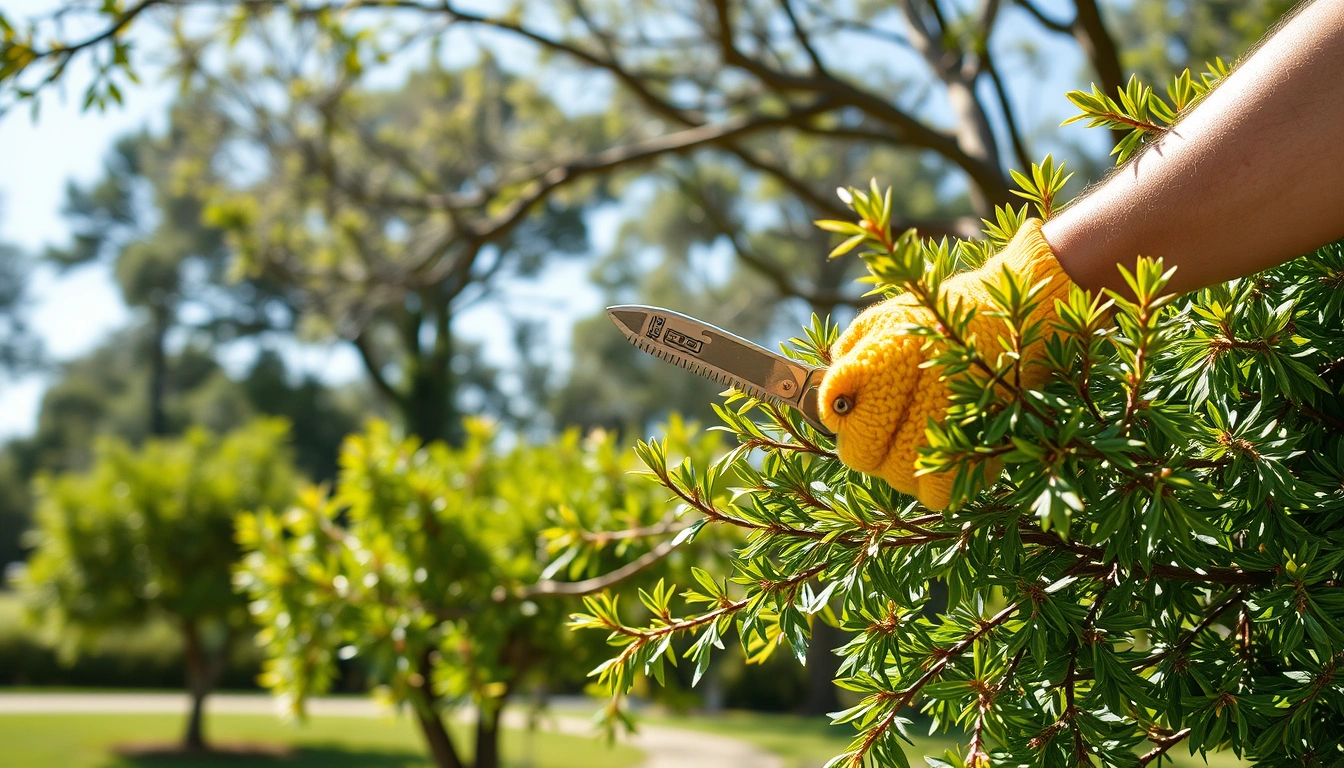
The safest oak pruning window in Georgia is December 1 through February 28 — full dormancy, low beetle activity, and faster wound compartmentalization as temperatures rise in spring.
Southern red oak is especially vulnerable in Floyd County and the Rome area. If an oak takes storm damage in summer and requires emergency cuts, apply pruning sealant immediately to any exposed wood — a precaution that isn’t standard for winter work but is important whenever summer cuts are unavoidable.
The crepe myrtle timing window (and why November is too early)
The right time to prune crepe myrtles in Georgia is January through mid-February, after the plant has hardened off for winter but before buds begin to swell. November and early December are too early — pruning then can trigger tender new growth that a hard freeze will damage. Selective thinning works better than heading cuts: remove crossing branches, growth thinner than a pencil, and shoots from the base. Done in late winter, the tree flowers on schedule, typically June through August in Georgia.
Is it bad to prune trees in summer in Rome, GA?
Yes, and the risks are compounded by Georgia’s climate. Heat and humidity from June through September keep pruning wounds open longer, raising the chance of fungal infection. Removing major limb mass also stresses a tree already working hard to manage water loss — adding pruning stress on top of heat stress accelerates decline.
The exceptions are narrow: dead wood, active disease, and storm damage should be addressed right away regardless of season. For oaks, apply pruning sealant immediately after any summer emergency cut. If you’re weighing whether to call a professional, the full tree care cost statistics in Georgia can help you set realistic expectations before a situation escalates.
Side-by-side pruning calendar by species
The best time to trim trees in Georgia changes by species. This calendar covers common Rome-area trees with the most useful pruning windows and avoidance periods.
| Species | Best pruning months | Avoid | Key reason |
|---|---|---|---|
| Southern red oak | December – February | April – October | Oak wilt / sap beetle activity |
| Crepe myrtle | January – mid-February | November; after March bud break | Freeze damage to new growth; bloom delay |
| Loblolly pine | Late November – February | June – September | Pine bark beetle activity peaks in summer |
| Dogwood | Late winter (February) | Spring bloom period; late fall | Susceptible to dogwood anthracnose via summer wounds |
| Sweet gum | December – February | Active growing season | Heavy sap bleed when pruned in spring |
| Tulip poplar | January – February | Early spring (March – April) | Bleeds heavily during early sap flow |
| River birch | Late summer (August) or winter | Early spring | One of few species where late summer pruning is acceptable |
| Eastern red cedar | Year-round (winter preferred) | No strict avoidance window | Highly tolerant; winter still minimizes stress |
River birch is the outlier. Late summer pruning in August is acceptable — and often preferable to early spring — because spring cuts trigger heavy sap bleeding. Each species in this table follows its own biological calendar, which is why a single pruning date never works for an entire yard.
Three situations where the standard timing doesn’t apply
The dormant-season rule handles most pruning decisions. Three situations, however, justify an exception.
Storm damage in any season
Broken limbs need prompt attention regardless of the month — an unaddressed hanging limb creates a wound that grows larger and invites secondary problems. Make cuts clean and close to the branch collar, and call a professional for any limb overhead. You can review tree removal statistics in Georgia to understand how often storm-damaged trees escalate to full removal when damage isn’t addressed quickly.
Active disease spread
If fire blight is moving through a branch on a crabapple or pear, or if you see active canker on a dogwood, prune it out immediately — do not wait for dormancy. Sterilize tools between cuts with a 10% bleach solution or 70% isopropyl alcohol. Waiting six months to preserve the seasonal calendar is the wrong trade-off when disease is actively spreading now.
Young tree structural training
For younger trees, the calculus is different. Newly planted trees in their first two to three years can benefit from light structural pruning in late spring to remove competing leaders or rubbing branches. Because the wood is small-diameter and the tree has strong vigor, timing matters less here than it does with mature tree work.
Timing also affects cost. Emergency and off-season work typically runs 20–40% higher than scheduled dormant-season visits. Reviewing typical tree trimming cost in Rome, GA before a summer problem forces your hand helps you budget for both scenarios.
In 2026, the most common and preventable tree care mistake in Northwest Georgia remains pruning oaks between April and October — a timing error that can introduce oak wilt to an otherwise healthy tree.
- The best time to trim most trees in Georgia is late December through late February.
- Never prune southern red oaks or other oaks between April and October.
- Crepe myrtles should be pruned January through mid-February, not in November or after bud break.
- Summer pruning in Rome, GA is appropriate only for dead wood, active disease, and storm damage.
Common questions about the best time to trim trees in Georgia
When is the best time to trim trees in Georgia?
Late December through late February is the best time for most Georgia trees. This dormant season window reduces fungal infection risk, keeps sap beetle activity low, and allows wounds to compartmentalize efficiently as spring growth begins. Oaks specifically should only be trimmed December through February.
How do I prune an oak tree in Georgia without spreading oak wilt?
Prune oaks only between November and March when sap beetles, the primary oak wilt vectors, are inactive. If emergency pruning is needed between April and October, apply pruning sealant immediately to any exposed wood. Sterilize tools between trees with 70% isopropyl alcohol to prevent mechanical spread.
Winter vs. summer pruning in Georgia — which is actually better?
Winter pruning is better for nearly every Georgia species. Dormant-season cuts heal faster, attract fewer insects, and carry lower fungal infection risk. Summer pruning is acceptable only for removing dead wood, controlling active disease, or addressing storm damage, not for routine shaping or size reduction.
Why did my tree look stressed or start dying after summer pruning?
Georgia’s summer heat and humidity mean pruning wounds stay open longer and attract fungal spores more readily than winter cuts. Trees pruned in July or August are already managing heat stress, leaving fewer reserves to heal fresh wounds — which is why visible stress symptoms and decline after summer pruning are so common in Georgia.
How much does seasonal tree trimming cost in Rome, GA?
In Rome, GA, tree trimming commonly costs $200–$800 per tree as of 2026, depending on size, species, and access. Dormant-season appointments scheduled in advance typically fall at the lower end. Emergency or off-season work — especially storm damage in summer — usually runs 20–40% higher.
When is the worst month to trim trees in Georgia?
June through August is the highest-risk period for most Georgia trees. Heat stress, active sap beetle populations, and peak humidity combine to make summer the riskiest time for routine pruning. For oaks specifically, April through October is the avoidance window due to oak wilt season.
Can I trim a crepe myrtle in the fall in Georgia?
No. Fall pruning of crepe myrtles in Georgia, especially in November and early December, can trigger new growth that a hard winter freeze will damage. Wait until January through mid-February, after the tree has hardened off but before spring buds begin to swell.
The bottom line
The best time to trim trees in Georgia is late winter, but the right month depends on the species. Follow the dormant window for most trees, keep oaks out of the April-through-October danger zone, and hold crepe myrtles until January through mid-February. Those three rules cover the majority of Georgia yards.
For a broader look at year-round care, the full resource on Tree Trimming, Pruning & Stump Grinding in Rome, GA: Ongoing Tree Care covers structural pruning and stump grinding timelines. Check your species against the table above, then schedule your dormant-season appointment before January slots fill.
See also: tree trimming rome ga
See also: tree trimming cost rome ga
See also: tree care cost statistics georgia