Crepe myrtle trimming Rome GA: do it right or skip it
⏱️ 7 min read · Last updated: 2026
If you’re looking for crepe myrtle trimming in Rome, GA, the right answer is usually simpler than most people expect: prune lightly, keep the main trunks intact, and do the work in late winter before new growth begins. That approach preserves blooms, protects structure, and keeps the tree healthy for years. In other words, the goal is not to reshape the tree — it’s to guide it with minimal cuts and avoid the damage that comes from heavy topping.
- Best pruning month in Rome, GA: Late February, after the last freeze and before bud break, typically the last two weeks of the month in Floyd County.
- Pencil-thickness cut rule: Remove only branches ½ inch in diameter or smaller.
- Crepe murder consequence: Topping commonly reduces bloom size and density for 2–4 years afterward.
- Professional trimming cost in Rome, GA: Most local tree services quote $75–$200 per crepe myrtle for a proper single-visit pruning.
- Timing for late pruning: Pruning after mid-March risks removing buds that have already formed.
The reason this matters is that crepe myrtles respond very clearly to the kind of cut they receive. A light, selective trim keeps the tree balanced and productive, while heavy topping creates weak regrowth and long-term deformity. That is why a proper crepe myrtle trimming in Rome, GA is less about cutting more and more about knowing what to leave alone.
Below, you’ll find the exact cuts to make, the mistakes to avoid, and a practical comparison of DIY pruning versus hiring a professional crew. With that context in place, the rest of the article should make the right choice for your yard much easier.
What is crepe murder and how do I avoid it?
Crepe murder means cutting a crepe myrtle’s main trunks or large structural limbs down to flat, bare stubs — often leaving only 3–5 feet of trunk standing. It wrecks the tree’s natural form and ranks among the most common tree care blunders across the American Southeast, Rome, GA included. Once that habit starts, the tree spends years trying to recover from cuts it never should have received in the first place.
Once a crepe myrtle gets topped, it fires back with fast, weak shoots from every cut point. Those shoots bond poorly to the wood beneath them, split more readily in storms, and push out smaller flower clusters than properly grown branches ever would. Worse, the knobby callus lumps that swell around each stub never go away — they’re permanent.
Avoiding crepe murder is genuinely simple: follow the pencil-thickness rule. Thicker than a pencil? Leave it. Work only on branches under ½ inch in diameter, and walk away from any cut that bites into the tree’s main framework.
Main trunks and primary scaffold branches stay. Full stop. Everything else is optional — and even optional cuts should only happen when they serve the tree’s health or shape. That one rule alone prevents most of the pruning carnage Rome yards see each February.
Crepe murder is irreversible in the sense that the original branch structure cannot be restored — the knobby stubs remain permanently, even if pruning practices improve in later years.
The real difference between a proper crepe cut and topping
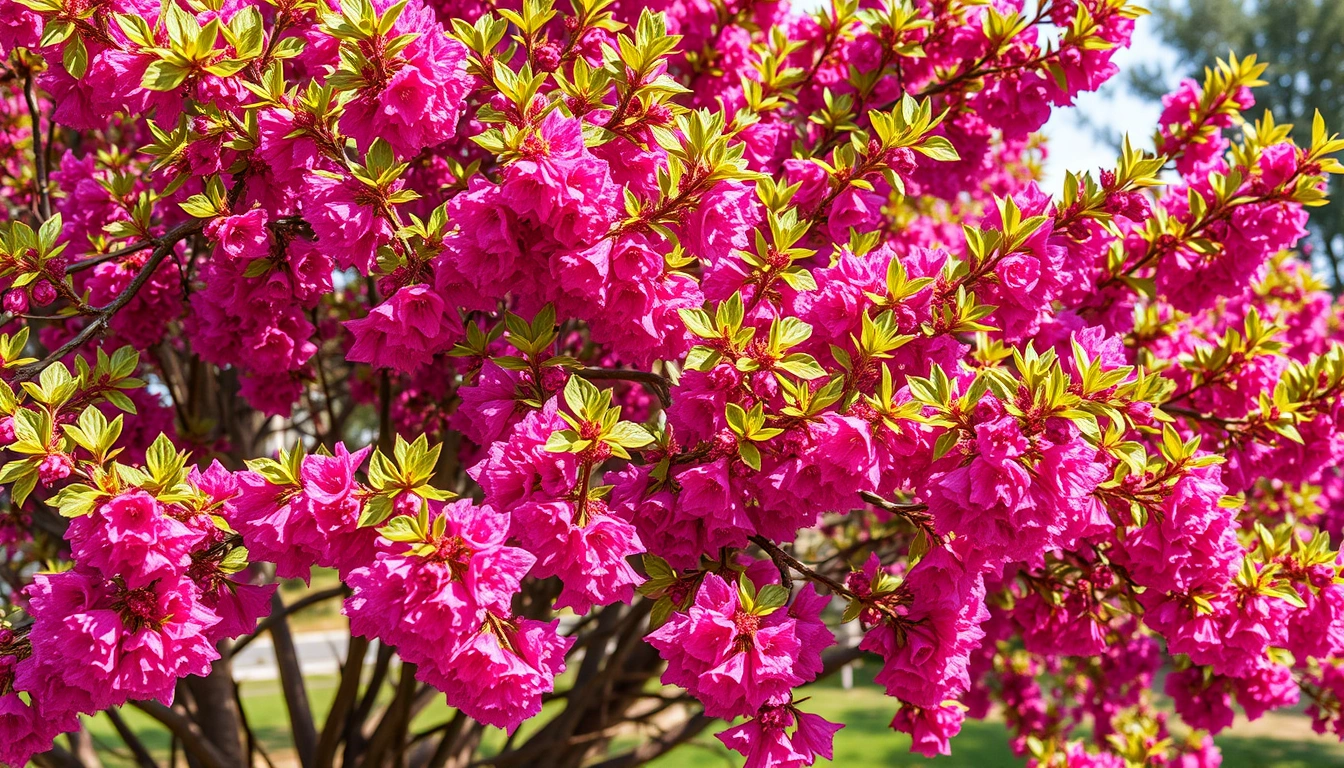
A proper crepe cut removes small-diameter growth for a deliberate reason: better airflow, more light penetration, or stronger branch spacing. Topping removes mass without any regard for structure. At a glance the tree may look similar the week after the work is done, but the long-term results separate quickly within a single growing season.
The sharpest contrast shows up in long-term health. Thoughtful pruning preserves bloom-producing tips and supports a graceful, vase-shaped canopy. Topping delivers weak regrowth, gaping wounds, and a deformity that outlasts the person who made the cut. That’s why the right cut matters far more than the fastest cut.
| Criteria | Proper crepe cut | Topping (crepe murder) | Winner for Rome yards |
|---|---|---|---|
| Branch size removed | Under ½ inch diameter | All branches, any size | Proper cut |
| Bloom size next season | Equal or larger clusters | Smaller, weaker clusters | Proper cut |
| Long-term tree structure | Preserved, graceful form | Permanent knob deformity | Proper cut |
| Storm damage risk | Low — strong attachment | High — weak regrowth splits | Proper cut |
| Time required (DIY) | 30–60 min per tree | 10–20 min per tree | Topping (time only) |
| Disease entry risk | Minimal — small wounds close fast | High — large wounds stay open | Proper cut |
| Reversibility | Fully reversible each year | Permanent structural damage | Proper cut |
| Aesthetic immediately after | Subtle — tree looks similar | “Clean” but disfigured | Proper cut (long-term) |
The proper crepe cut wins in every category that touches the tree’s health and your yard’s appearance across multiple seasons. Topping wins only on raw speed — and that saved half-hour costs you years of diminished flowering. That math stops working fast.
How do I prune a crepe myrtle correctly in Rome, GA?
Work in this order: pull suckers from the base first, then address crossing or rubbing branches, then lightly thin the interior canopy. Stop the moment a branch is thicker than a pencil — anything beyond that diameter stays. That sequence keeps the work focused and prevents overcutting.
Clean, precise cuts are the goal. You are not rebuilding the tree from scratch; you’re clearing weak growth and opening the canopy just enough for light and air to move through. Once you think in those terms, the pruning process becomes much easier to manage.
Step 1 — Remove suckers from the base
Suckers are the thin, whippy shoots that sprout from the soil around the trunk base or directly from the root flare. Cut them as close to the ground or trunk as your bypass pruners allow. Left unchecked, they compete with the main tree for water and nutrients — and they make the base look like a shrubby mess. On a mature tree, this step alone accounts for most of the cleanup time.
Step 2 — Cut crossing or rubbing branches
Look for branches that cross each other or grind against the trunk. That friction opens bark wounds and creates easy entry points for disease. Remove the weaker of the two offending branches, usually the one angling inward toward the canopy’s center. Cut it back cleanly to a lateral branch or its point of origin; do not leave a stub dangling.
Step 3 — Thin the interior canopy lightly
Branches growing inward or downward crowd the center and trap humidity — exactly the condition that fungal issues love. Crepe myrtles do best with an open, vase-like structure that lets air move freely. Remove those interior stems by cutting back to a lateral branch or the branch collar. Never cut mid-branch unless a live lateral shoot is right there waiting.
Step 4 — Apply the pencil-thickness test before every cut
Before the pruners close on any stem, wrap your hand around it. Thicker than a standard pencil — roughly ½ inch across — put the pruners down and walk to the next branch. Simple as that. This single check separates a proper crepe myrtle trimming from the kind of damage that takes years to recover from.
Tools you actually need
- Sharp bypass hand pruners for branches under ½ inch
- Loppers for branches ½ to 1 inch, though crepe myrtle pruning rarely reaches this range
- A folding hand saw for truly dead branches over 1 inch
- Isopropyl alcohol (70%) for wiping blades between trees
A chainsaw, pole saw, or ladder is almost never necessary for routine crepe myrtle trimming. If those tools start to seem essential, the job probably calls for a different approach — or a professional crew.
DIY trimming vs. hiring a pro: who should do which
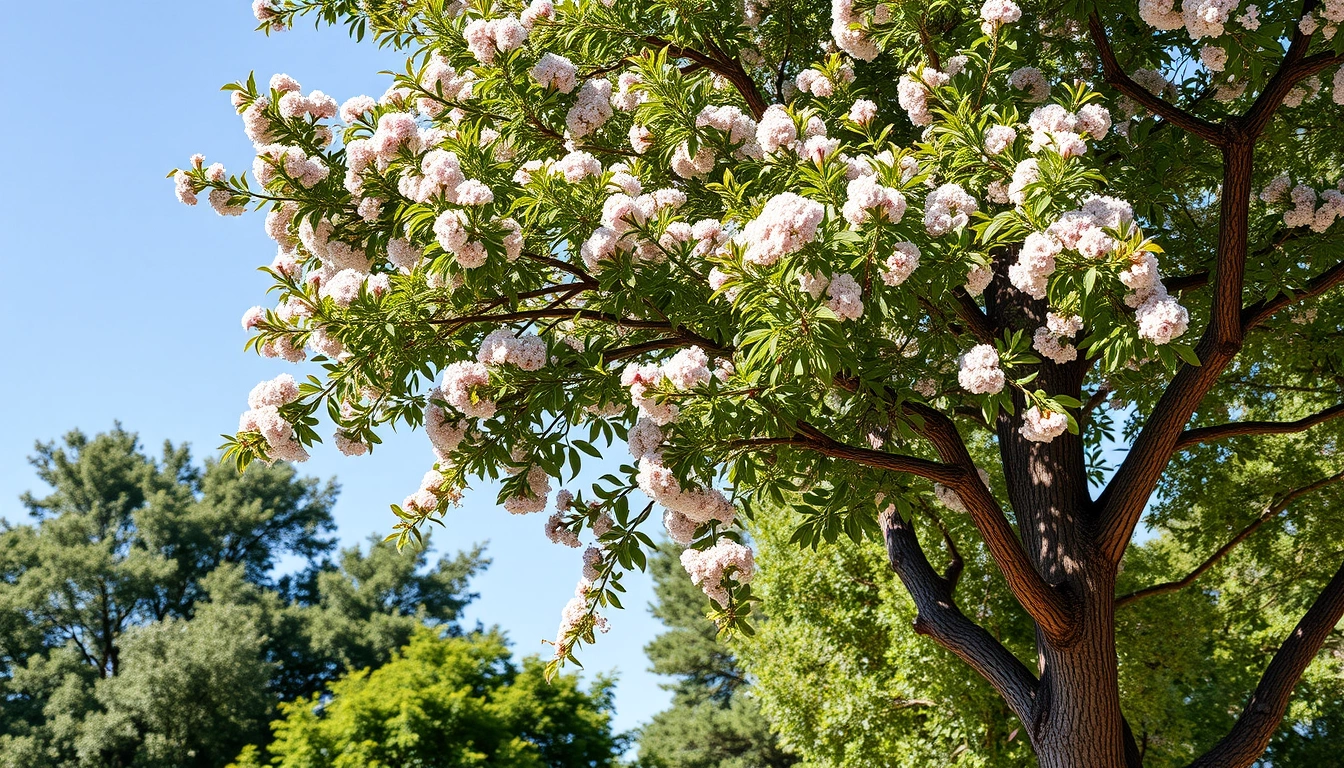
Most healthy, established crepe myrtles in Rome, GA can be pruned correctly by a confident homeowner. What determines the right call isn’t fear of the task — it’s tree size, site access, and condition. The more complex the tree, the more value there is in bringing in an experienced crew.
Small tree, healthy, reachable from the ground? Do it yourself. Tall, damaged, or hanging near a roofline? Call someone who does this for a living. That simple split covers most real-world situations.
Do it yourself if all of these are true
- The tree is under 15 feet tall and you can reach the upper branches from the ground or a standard stepladder
- The tree is healthy, with no significant dead wood, no visible fungal growth on the trunk, and no bark wounds larger than your palm
- You can identify a sucker, a crossing branch, and a pencil-thickness stem
- You are not tempted to top it
Call a professional if any of these apply
- The tree is taller than 15–20 feet and the upper canopy needs attention
- There is significant dead wood in the upper canopy; dead branches over 1 inch need proper removal with the right cut angle and tool
- The tree has been previously topped and now carries clusters of weak shoots that need careful thinning — without sacrificing whatever remains of the original structure
- The tree is near a structure; a branch drifting over a roofline changes the risk calculation entirely, and handling a tree limb over house situation is a job for a trained crew
For a standard annual pruning on a healthy, mid-sized crepe myrtle, a professional visit in Rome, GA typically runs $75–$200 per tree in 2026. Have five or more trees? Getting a quote for tree trimming cost as a batch almost always pulls the per-tree price down noticeably.
Grouping the work into one visit is nearly always more cost-efficient than scheduling separate single-tree calls. And if you need broader seasonal care across your property, compare that figure against tree trimming in Rome before booking anything separately. For many homeowners, the best value is simply bundling the job while the tree is already in the right condition for pruning.
The case for hiring a pro isn’t about difficulty — it’s about tree size and proximity to structures. A healthy 10-foot crepe myrtle is a confident homeowner’s job. A 25-foot specimen dropping branches toward a roofline is not.
Before planning any other seasonal cuts, reviewing best time to trim trees Georgia helps you see how crepe myrtle pruning fits the broader calendar — and keeps you from accidentally stacking tree work in the wrong month.
The timing that most Rome homeowners get wrong
Late February — specifically the last two weeks — is the sweet spot for crepe myrtle trimming in Rome, GA. That window lands after the final hard freeze of the season but before dormancy breaks and new buds crack open. When you prune there, the tree can heal cleanly without losing the growth it has already prepared for spring.
Too early and fresh wounds sit exposed to cold snaps. Too late in spring and you’re cutting off buds the tree already spent energy building. Both errors cost you blooms, which is why the calendar matters just as much as the pruning cuts themselves.
For broader context, the best time to trim trees Georgia guidance lines up with this pattern: late-winter dormancy suits most species, crepe myrtles included. A tree that hasn’t yet committed to spring growth heals more cleanly and predictably than one already pushing new tissue. That same timing logic is one reason local tree care schedules often cluster in late winter.
Summer deadheading is different from spring pruning. After the first bloom flush in July, snipping spent flower clusters encourages a second flush — that’s deadheading, not structural pruning — and it carries little risk. Cut the seed-head cluster back to the nearest lateral branch or leaf node and leave everything else untouched.
Why your crepe myrtle won’t bloom after pruning — and how to fix it
Poor or absent blooming after pruning usually traces back to one of three causes: topping, pruning too late in spring, or excess nitrogen in the soil. Each one redirects where the tree spends its energy — and each one has a different fix. Once you know the cause, you can usually correct the problem without starting over.
The encouraging part: bloom problems are largely preventable. Correct the timing and cut size, and most trees circle back to normal flowering within a season or two. In many cases, a lighter approach restores bloom production sooner than owners expect.
Problem 1 — Topping removed bloom sites
Crepe myrtles push blooms at the tips of new growth. Top the tree and you’ve just removed every location where flowers were going to form. The tree responds by sending up fast regrowth from stub wounds — but those new shoots are thin and structurally weak, and their flower clusters are noticeably smaller than what properly developed branches produce.
Stop topping. Let the natural framework rebuild over 2–3 seasons and resist every urge to cut anything thicker than pencil-width while recovery is underway.
Problem 2 — Late pruning removed emerging buds
Pruning after mid-March in Rome’s climate means cutting off buds that already formed — even if you can’t see them yet. If the tree looked healthy but produced almost nothing in terms of blooms, and you pruned in April or May, that’s almost certainly what happened.
The fix is timing. Shift the pruning window to late February going forward. That keeps bloom sites intact and avoids stressing the tree right when it needs its energy most.
Problem 3 — Excess nitrogen
Heavy nitrogen fertilization pushes leafy growth at the direct expense of flowers. If a high-nitrogen lawn fertilizer soaked into the root zone of your crepe myrtle, the tree likely burned that energy on foliage instead of blooms. Once that happens, the tree can look lush while still underperforming where it matters most.
Choose a low-nitrogen blend with more phosphorus and potassium support, or skip fertilizing altogether. Established crepe myrtles in Georgia’s native soil rarely need it; they’re not heavy feeders.
Good tree trimming in Rome addresses these issues proactively through correct timing, correct cut size, and zero unnecessary intervention. That combination gives any crepe myrtle its best realistic shot at rebounding to full bloom.
The verdict: what Rome, GA homeowners should actually do in 2026
Under 15 feet, healthy, easy to reach from the ground? Do it yourself. Set a reminder for the third week of February, grab sharp bypass pruners, and limit cuts to suckers, crossing branches, and small interior stems. That’s genuinely enough for most trees, and it keeps the job manageable from year to year.
Large tree, previously topped, near a structure, or just too risky to manage solo? Hire a pro. At $75–$200 per tree, that cost is reasonable — especially weighed against structural damage or yet another round of crepe murder. The price is often easier to justify once you compare it with the time, tools, and risk involved.
And if the tree is healthy, blooming reliably, and structurally sound? Skip it entirely. Crepe myrtles in Rome, GA don’t require annual pruning to do well. A strong, well-formed tree can go several years on nothing more than sucker removal at the base.
One thing deserves a flat rejection in 2026: topping by default. No horticultural justification exists for it — and any reputable arborist working in Rome will tell you the same thing. In practice, restraint is what keeps the tree looking better, blooming more, and needing less correction over time.
- Never remove a branch thicker than a pencil (½ inch).
- Late February is the optimal pruning window for crepe myrtles in Rome, GA.
- Crepe myrtles bloom on new growth, so preserving branch tips supports more flowers.
- If your tree is healthy and blooming well, skipping the annual trim is often the right choice.
For larger trees, storm-prone limbs, or structural concerns, look at tree cabling as part of a broader care plan. When a limb needs support rather than removal, cabling is a far better fit than aggressive pruning. It also fits naturally with a long-term plan for preserving the tree’s shape and safety.
Common questions about crepe myrtle trimming Rome GA
What is the right way to prune a crepe myrtle without damaging it?
Remove only branches under ½ inch in diameter — the pencil-thickness rule. Target suckers from the base, crossing branches, and inward-growing twigs. The main trunks and structural scaffold branches stay put, no exceptions. Use sharp bypass pruners, cut cleanly back to a lateral branch or the branch collar, and stop well before you’ve removed significant canopy mass.
How do I trim crepe myrtles step by step without topping them?
Start by cutting all suckers from the base down to ground level. Next, remove branches that cross or grind against each other. Then thin inward-growing interior stems to improve airflow. Before every single cut, run the pencil-thickness test — anything over ½ inch stays. That sequence covers most annual crepe myrtle maintenance correctly and completely.
Light pruning vs. heavy topping — which one is better for a crepe myrtle?
Light pruning wins. Heavy topping permanently disfigures the tree’s structure, generates weak regrowth that splits in storms, and routinely suppresses bloom density for 2–4 seasons. Light pruning removes only what weakens or crowds the tree, keeps bloom-producing branch tips intact, and leaves the natural form undisturbed.
Why won’t my crepe myrtle bloom after I pruned it last spring?
Pruning in April or May in Rome, GA cuts off buds that have already formed — even ones you can’t see yet. The tree invested energy in those buds, lost them to the pruners, and had too little season left to start over. Move your pruning window to late February going forward. If the tree was also topped, bloom suppression can persist for 2–3 seasons while new structure rebuilds.
What should I do if my crepe myrtle is healthy and already blooming well?
In that case, the best choice is often to skip major pruning altogether. Remove only suckers at the base, keep an eye on crossing branches, and leave the canopy mostly intact. A healthy crepe myrtle in Rome, GA can stay attractive and productive for years with very little intervention.
See also: tree trimming rome ga
See also: tree trimming cost rome ga
See also: tree removal rome ga
Related: Tree pruning Rome GA: crown reduction vs topping e